
Sometimes the calendar lines up just right. For the Progress & Poverty Institute team, the last week of April 2026 was one of those moments.
We traveled to Chicago for the Urban Affairs Association’s annual conference, and while we were there, our distributed team got to do something rare: work side-by-side for an extended stretch, not just over Zoom, but around the kitchen table and, one evening, a backyard fire pit. We also co-hosted one of the more ambitious public events we’ve put on: Tax & The City, a big-tent urbanist gathering at the iO Theater, attended by nearly 200 people.
Here’s a look at what we were up to.
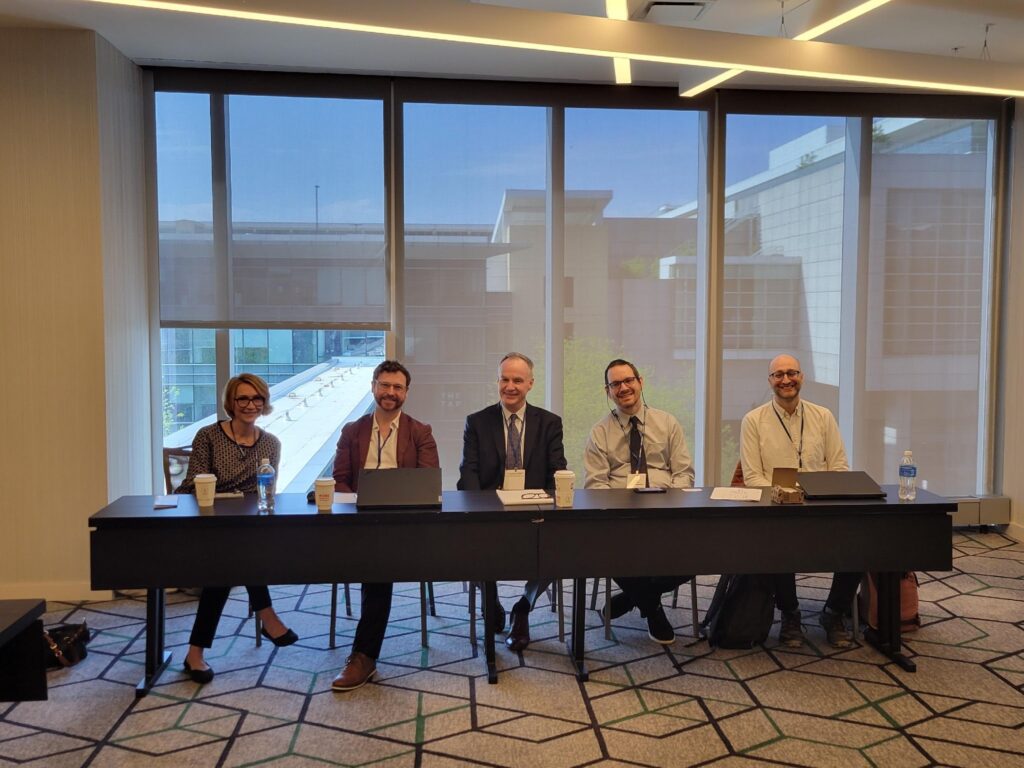
The Urban Affairs Panel: “Can We Tax Our Way to Better Cities?”
On Thursday morning, PPI and our colleagues at the Center for Land Economics presented a five-part panel titled “Land value tax would fix this: Can we tax our way to better cities?” The session was organized around a straightforward premise: housing unaffordability is a crisis, and one of the most powerful but underutilized tools for addressing it is the land value tax (LVT), a revenue-neutral shift that taxes land more and buildings less, discouraging speculation and rewarding productive development.
PPI Executive Director Josie Faass opened the session with an introduction to LVT and the empirical case for it. From Pennsylvania’s long-running experience with split-rate taxation to national data on wages, business formation, and population density, the evidence is clear: shifting the tax burden from buildings onto land stimulates housing construction, reduces vacancy, and promotes the compact, walkable development cities need.
PPI Director of Community Research and Engagement Steve Hoskins surveyed the current LVT advocacy landscape, exploring the geography of interest in LVT, the role of bespoke policy modeling in moving elected officials, and lessons from recent campaigns in Detroit, Richmond, Spokane, New York, Baltimore, and Chicago. Key takeaway: LVT is gaining traction among an unusually broad coalition, from YIMBY groups and transit advocates to environmental organizations and urbanists. Realizing that potential requires careful attention to local political economy and knowing which cities and states are ready.
Tony Coughlan of RSM LLP traced LVT’s history, law, and politics, documenting the remarkably broad ideological coalition behind it. LVT has been championed across the political spectrum, from Tolstoy, Churchill, and Mark Twain to Milton Friedman, Joseph Stiglitz, and contemporary economists including Daryl Fairweather of Redfin. Coughlan also recounted lessons from his experience in successfully pushing for LVT-enabling legislation in Virginia during his time as a city councilmember for Fairfax City, Virginia.
Lars Doucet of the Center for Land Economics presented ‘Mass Appraisal for the Masses,’ introducing OpenAVMKit and a suite of open-source tools, including CivicMapper.org, PutItOnAMap.com, and OpenRatioStudy.com, designed to make land valuation accessible to anyone. Lars walked through four methods for estimating land value and landed on a key insight: any of them can work. The real limiting factor is always data. Accurate land valuations are foundational to both equitable property tax policy and LVT reform, and this toolkit puts that capability in the hands of assessors, policymakers, and advocates who previously had no affordable path to it.
Last, PPI Director of Strategy and Impact Russell Richie presented new survey research conducted by PPI and CLE on how Americans actually feel about LVT. Drawing on a nationally representative sample of 1,000 adults, the findings are nuanced. A plurality oppose LVT both before and after receiving information about it, but younger adults (under 30) are majority-supportive, and Democrats are nearly evenly split. The most preferred message, by stated preference, was that land value is communally created and should return to the community through taxation. And what people expect LVT to do to their own tax bill or rent turns out to be the strongest predictor of support, with direct implications for local advocacy. A statistical forecast suggests that, under a modestly successful campaign to show homeowners and renters in Philadelphia how they’d save, 69% of respondents would support LVT. A clear next step is to confirm this forecast with actual polling in Philadelphia!
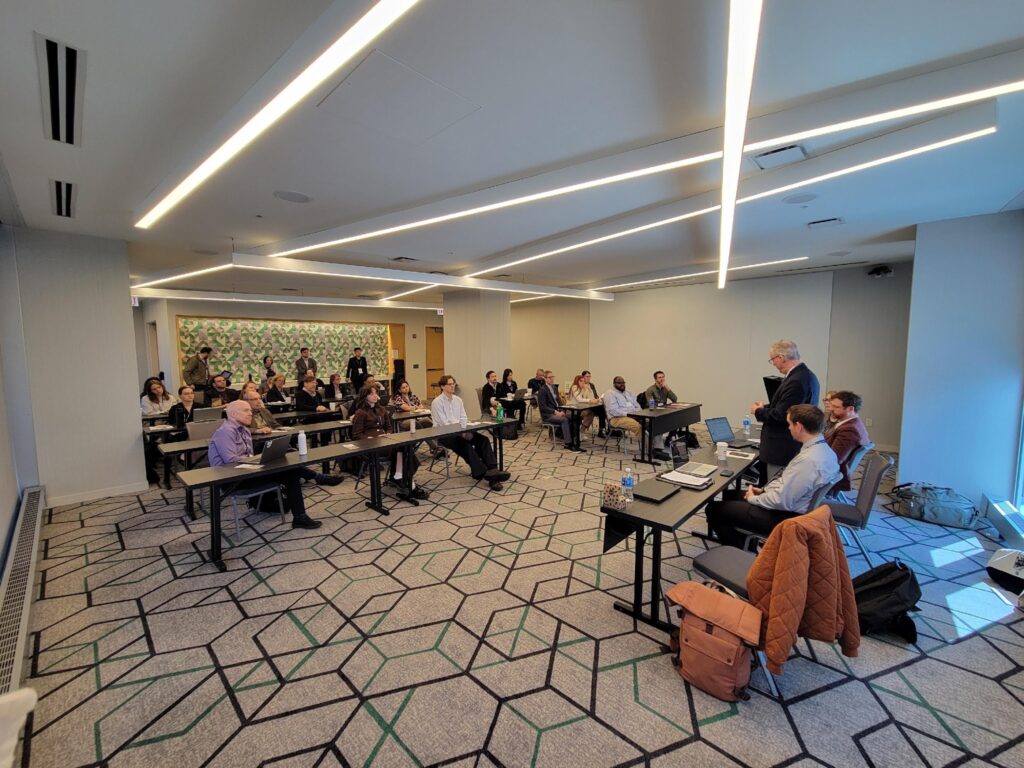
The conference offered much more beyond our own panel. We also attended sessions on community land trusts and on the effects of hurricanes on rental prices, the latter a reminder of how climate shocks ripple through housing markets in ways that intersect directly with housing affordability and land policy.
Tax & The City: A Big Tent Urbanist Event
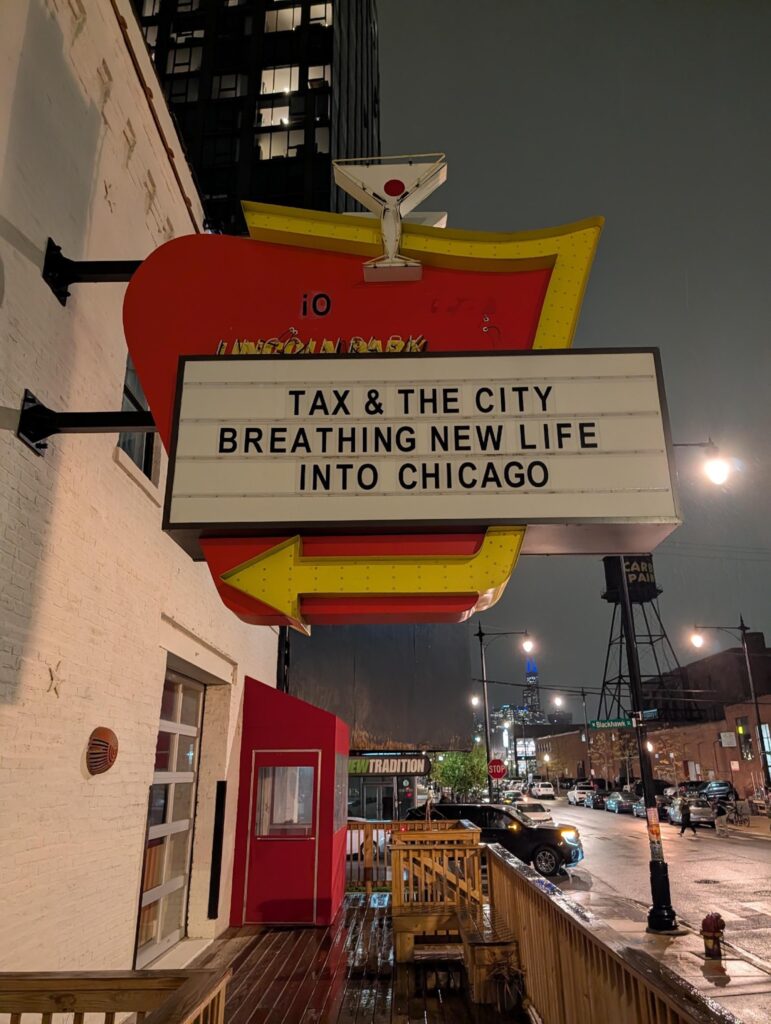
That same evening, PPI joined forces with Strong Towns Chicago, Congress for the New Urbanism, Abundant Housing Illinois, and the Chicago Growth Project to host Tax & The City at the iO Theater: a community conversation — with comedy and cocktails! — built around a single question: Can a land value tax revitalize reinvestment in Chicago?
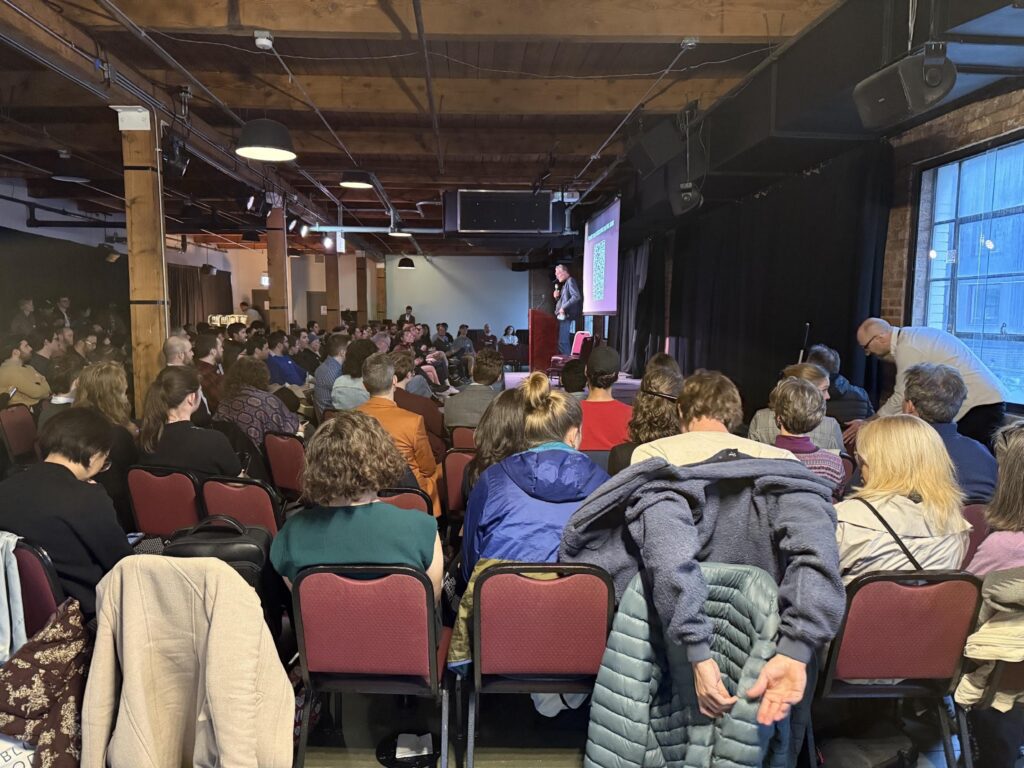
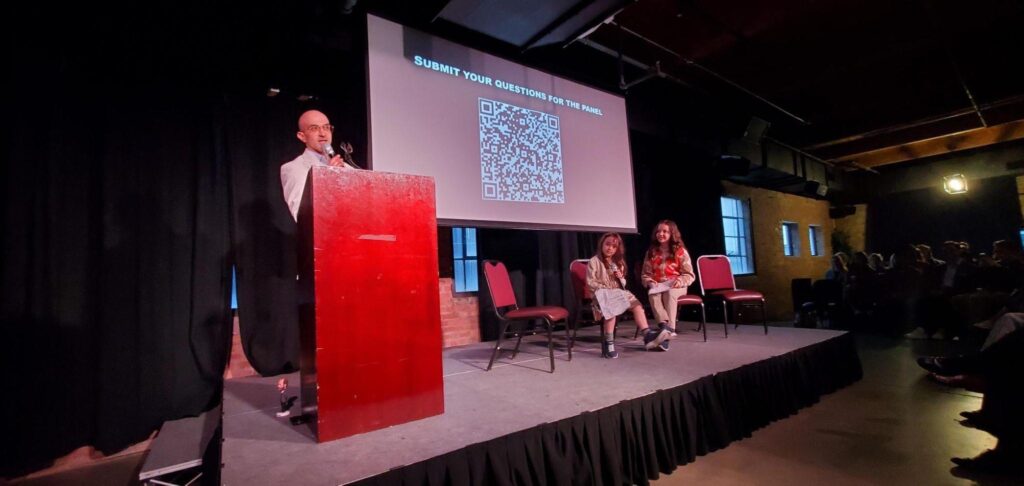
The format was deliberately accessible. Host Ben Schulman, a PPI board director, opened the evening. Ben’s daughters contributed a brief skit about land value tax near the start of the program, charming the crowd before the main acts took the stage. Urbanist comedian Alex Montero performed a standup set that drew laughs (“cyclists are the paramilitary of the urbanist movement”) while making the case for smarter urban policy. Then John Norquist, former Mayor of Milwaukee and former President of the Congress for the New Urbanism, delivered a keynote drawing on his decades of experience in urban governance and urbanist advocacy, and a hint of dry humor!
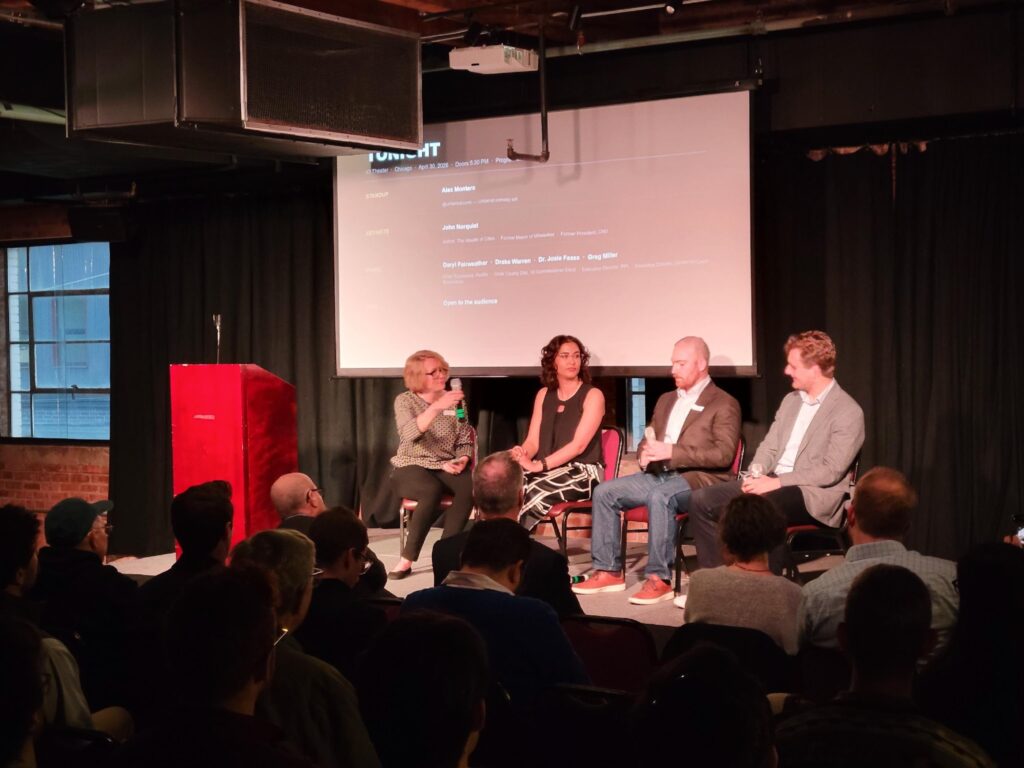
The panel that followed brought together Daryl Fairweather (Chief Economist at Redfin), Drake Warren (Cook County District 10 Commissioner-Elect), Josie Faass, Greg Miller (Executive Director of the Center for Land Economics), and others for a candid conversation about how LVT might work in Chicago’s specific context: a city with a fragile fiscal situation, neighborhoods marked by vacancy and speculation, a property tax system that too often punishes improvement while rewarding inaction, and constitutional constraints that require thoughtful solutions.
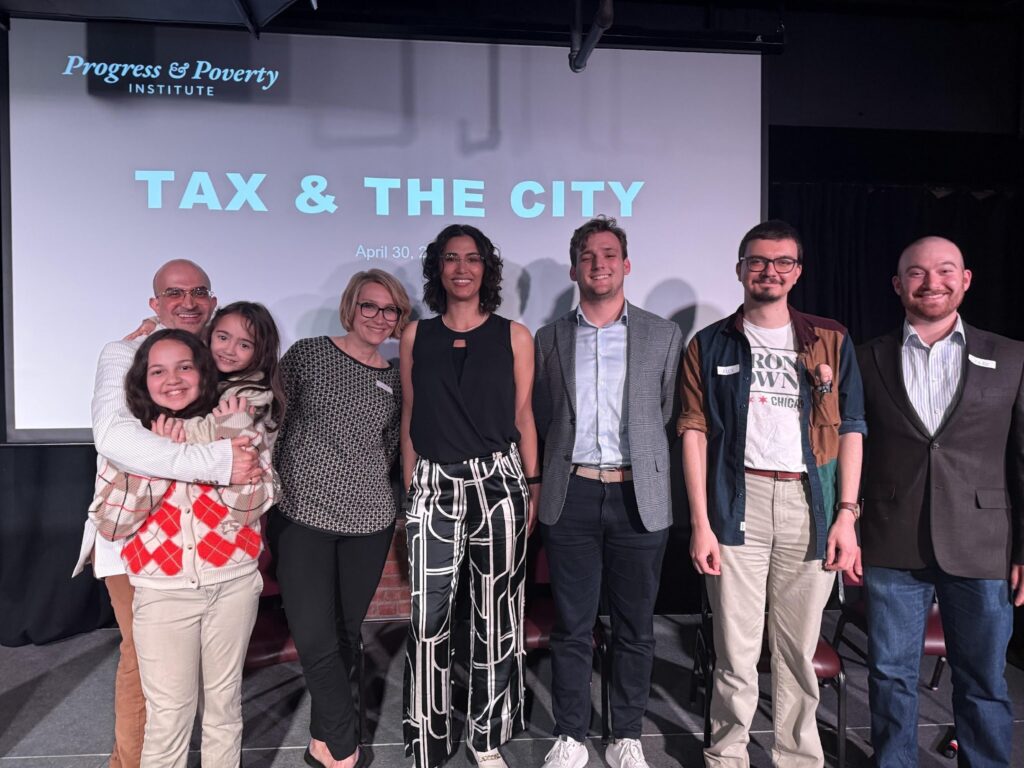
The turnout and energy were gratifying, a genuine cross-section of policy wonks, housing advocates, urban planners, local officials, and curious Chicagoans all in one room. Events like Tax & The City matter not just for the ideas they surface, but for the relationships they build and the sense of shared possibility they generate. Since the event, we’ve been getting multiple emails from talented young professionals interested in learning how they can plug in!
Working Together, In Person
The conference and public event were the public-facing parts of the week. But the in-person time mattered in its own right.
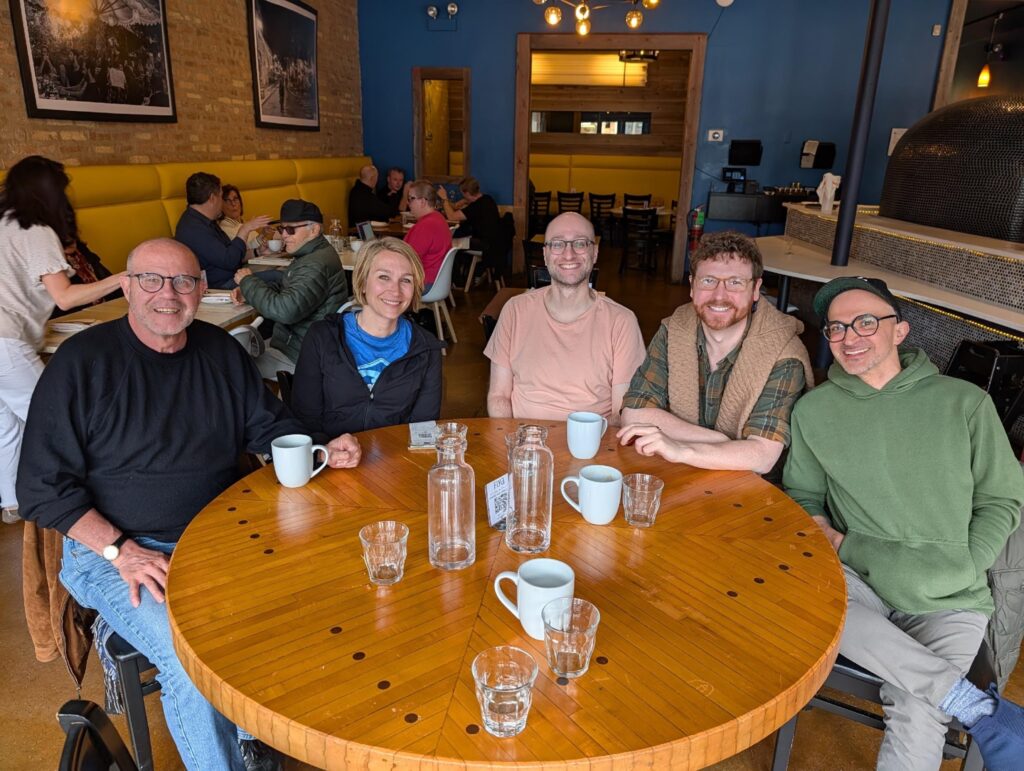
The PPI team (Josie Faass, Steve Hoskins, and Russell Richie) is spread across the coasts. Our colleagues Greg Miller and Lars Doucet at the Center for Land Economics are similarly distributed. Extended time together in the same city is rare, and the week gave us space for the kind of focused, collaborative conversation that’s hard to replicate over video.
One evening in particular stands out. The five of us spent hours around a backyard fire pit working through questions of strategy and coordination: how our two organizations can best work together to capitalize on a moment of unusually broad interest in land value tax. It was informal, unhurried, and productive in a way that only in-person time allows.
Looking Forward
Land value tax is having a moment. The academic case is strong. The political coalition is broadening. The tools for modeling, valuation, and advocacy are improving rapidly. And from our vantage point in Chicago last week, the public appetite, at least among engaged urbanists and housing advocates, felt real.
The Progress & Poverty Institute will keep pushing. If you want to follow our work, sign up for our newsletter or follow us on social media.
