
The Progress and Poverty Institute is proud to partner with Rutgers University’s Edward J. Bloustein School of Planning and Public Policy to provide financial support to graduate students whose future careers will position them to enhance economic equity at the national and international levels. The 2026-27 cohort includes seven such individuals, each receiving $5,000 toward their cost of attendance. Our partnership with Bloustein has grown from five students to seven this year.
The 2026-27 academic year also marks the inauguration of two annual scholarships: the H. William Batt, PhD Memorial Scholarship and the PPI Scholar-in-Residence. These opportunities were granted by two donors, without whose generosity these scholarships would not have been possible.
Nine scholars in all. Here they are.
The 2026-27 Progress of Ideas Scholars
This cohort is working on the questions that decide who can afford to live where: affordable housing, farmland preservation, clean energy access, community land ownership, and the fate of artists in the neighborhoods they helped make desirable.
Ghazi Shoaib Ahmed
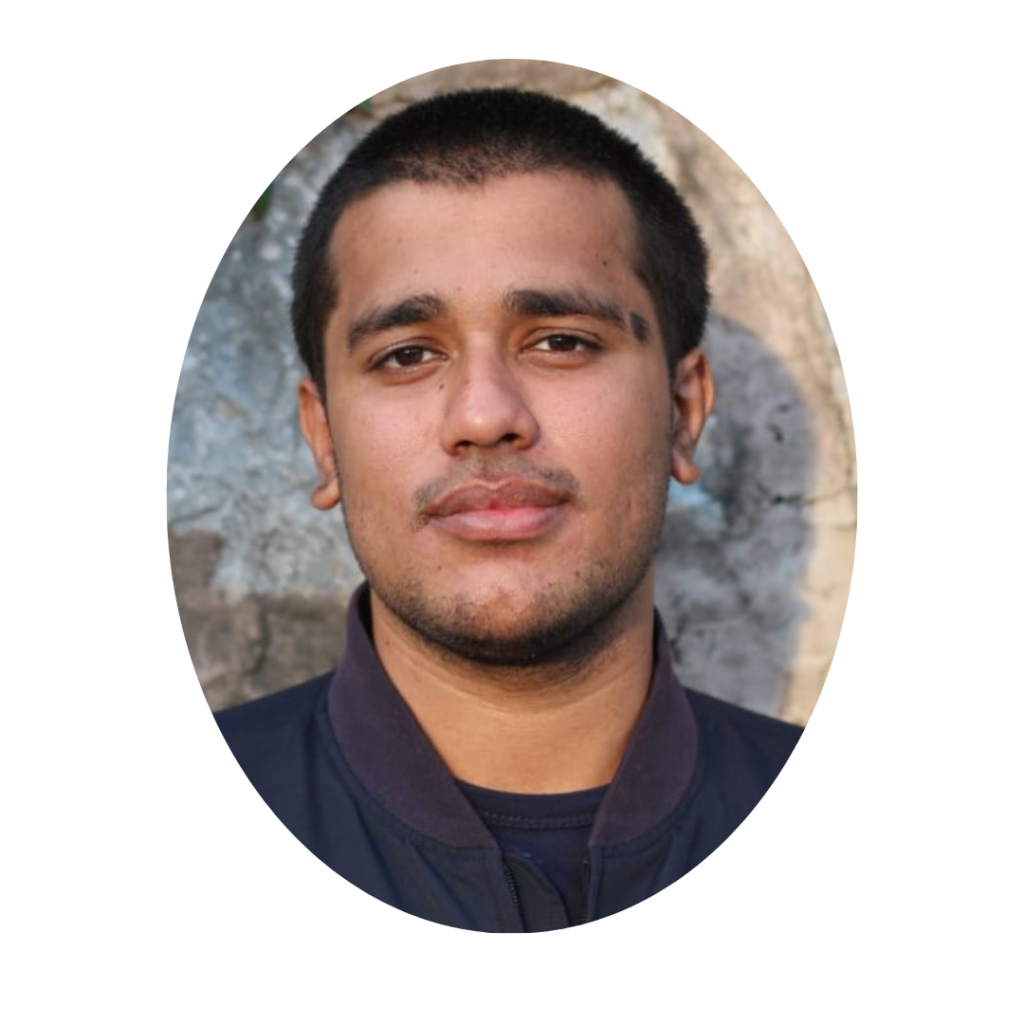
Ghazi is a dual Master of Public Policy and Master of Public Informatics candidate who came to policy from engineering by way of education work, including a Teach For Pakistan fellowship. He studies how public institutions can be made more effective and responsive, with attention to the structural barriers shaping education and economic opportunity.
Luke Burston
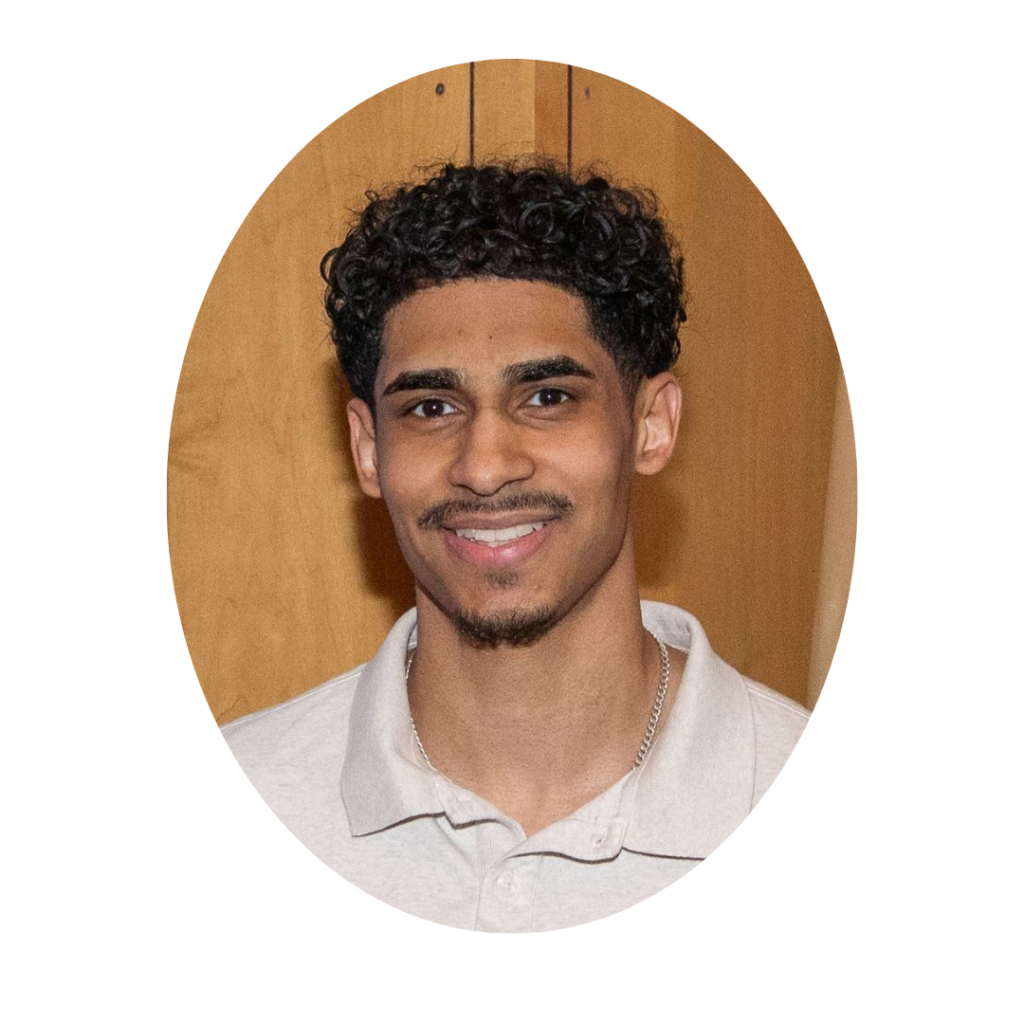
Luke (MPP) works on housing, economic development, and education policy. He has interned with the New York City Housing Development Corporation, the Housing and Community Development Network of New Jersey, and the Supportive Housing Association of New Jersey.
Analise Draghi
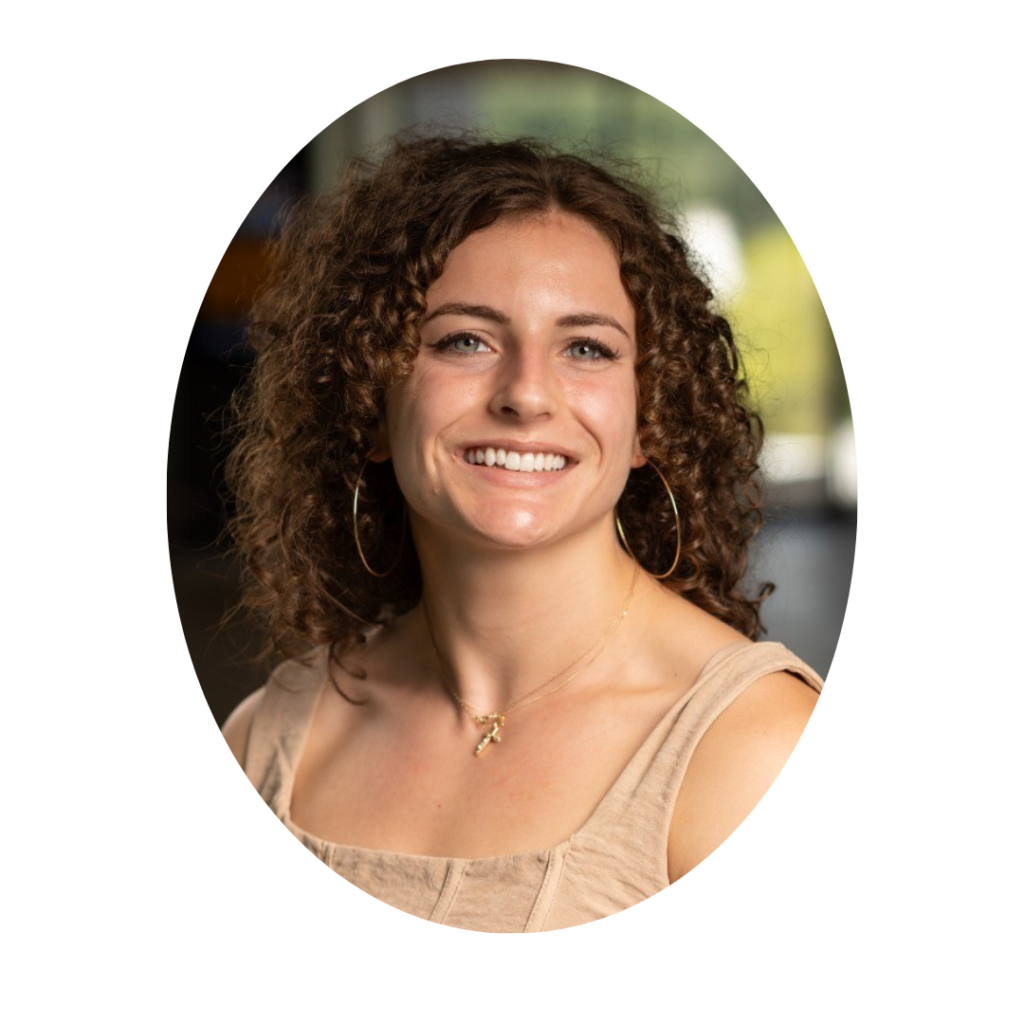
Analise (MCRP) concentrates in environmental planning. As a Planning Fellow with the Land Conservancy of New Jersey, she develops Environmental Resource Inventories, Farmland Preservation Plans, and Open Space and Recreation Plans for municipalities.
Ameya Majmudar
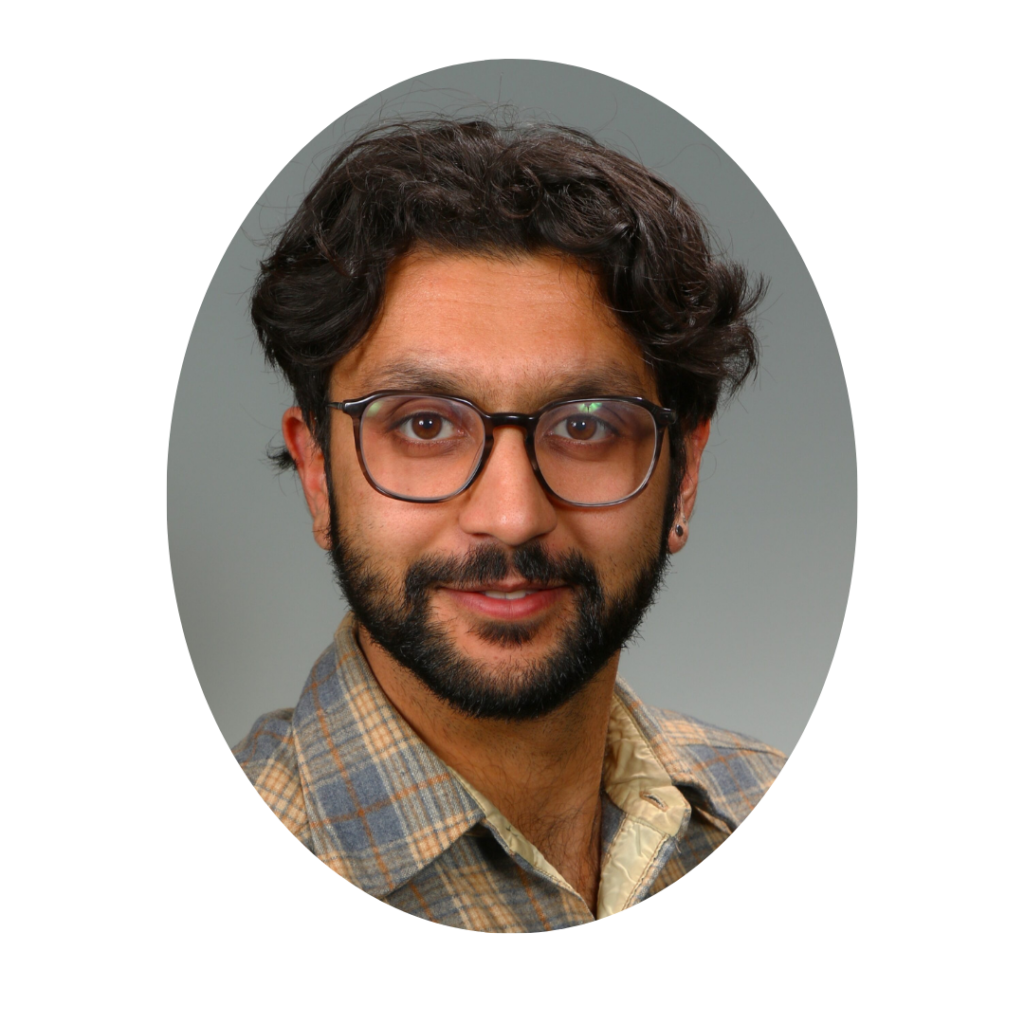
Ameya (MCRP) is a former space systems engineer who became a grassroots climate organizer and green landscaper. He works on region-scale land use planning that preserves ecological function, and on community ownership and decision-making around land.
Tarani Nethagani

Tarani (MPP) concentrates in environmental policy. Her research, advocacy, and community engagement through Food & Water Watch and the Rutgers Office of Climate Action Student Advisory Board focus on making the clean energy transition practical and equitable.
Celli Pitt

Celli (MCRP) holds an MFA in Theatre and argues that artists belong at the planning table as participants. Too often they bring vitality to a neighborhood and are then priced out of it. She plans to work in housing and community development.
Jesskomar Velarde Gargot

Jesskomar (MPP) is a first-generation, low-income student focused on affordable housing, land use, and expanding access for low- and moderate-income households.
Congratulations to all seven.
Alyssa D. Schatz, H. William Batt, PhD Memorial Scholar

We are thrilled to announce that Alyssa D. Schatz is our inaugural H. William Batt, PhD Memorial Scholar.
A member of Wood Mountain Lakota First Nation and a Fulbright award recipient, Alyssa is completing her Master of Urban Planning at Harvard with a focus on economic development, land use, and housing. She is currently a Summer Fellow with the Standing Rock Sioux Tribe’s Economic Planning and Grants Management department, where she is contributing to the Comprehensive Economic Development Strategy, helping establish a regulatory office for a zoning code, and supporting the Tribe’s transition to new grants management software for budgeting, procurement, and finance, with greater transparency and accountability.
The work is personal as well as professional. The Hunkpapa Lakota at Wood Mountain are close relatives of the Hunkpapa Lakota at Standing Rock.
Before Harvard, Alyssa served as Senior Policy and Prairies Advisor to Canada’s Minister of Crown-Indigenous Relations, advising on economic development, land, and Treaty rights for Nations across the Prairies. She was previously a Policy Advisor to the Minister of Indigenous Services Canada and worked in the public service on Canada’s implementation of the United Nations Declaration on the Rights of Indigenous Peoples. She holds a bachelor’s degree in Human Geography and Economics from the University of Alberta.
Martin Jacobson, PPI Scholar-in-Residence
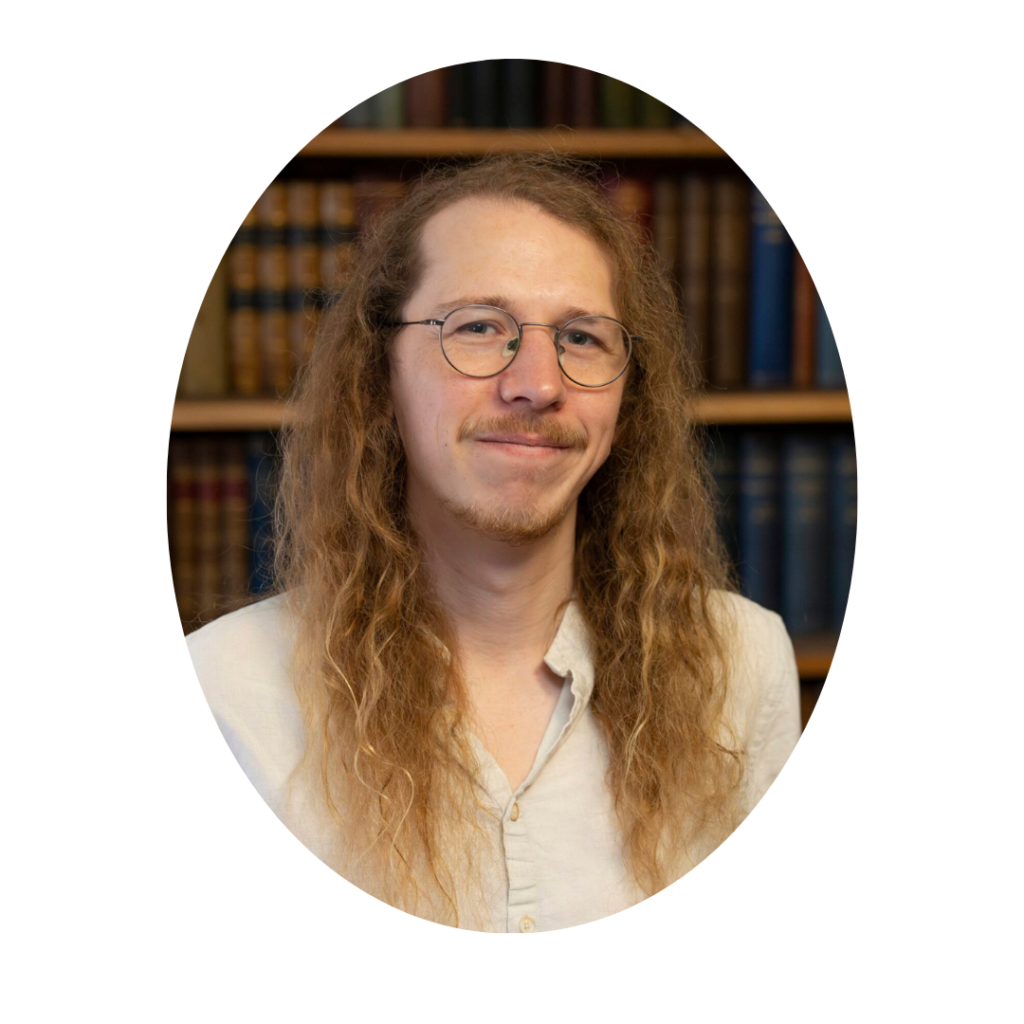
Classical political economy identified three factors of production: land, labor, and capital. Neoclassical economics reduced them to two by treating land as a species of capital. Martin Jacobson argues that reduction was a mistake, and his residency at PPI is devoted to repairing it.
Working with Paul Forrester, Martin is developing a revised three-factor model built on a hylomorphic account of capital goods and on the Austrian analysis of interest as arising from time preference. The stakes are empirical as well as conceptual. A three-factor model gives a more realistic picture of production and tracks patterns the two-factor version obscures, among them laws of return, elasticity, locationality, and substitutability.
Martin is a political theorist from Uppsala, Sweden, working at the intersection of politics, philosophy, and economics, with a particular interest in Georgist and left-libertarian theory. His 2024 PhD thesis, Land & Liberty: On the Natural Monopoly of Violence, won the Swedish Political Science Association’s prize for best PhD thesis of 2022-24. He was previously a Research Fellow at the Norwegian Nobel Institute and is currently a Visiting Fulbright Scholar at Virginia Tech. It has been a pleasure to host him this summer.
Learn more
Applications, eligibility, and details on each of our scholarship programs are available on our website. progressandpovertyinstitute.org/scholarships.
